


Manilva Information Guide
About Manilva: Your Gateway to the Real Costa del Sol
Manilva is where the Costa del Sol still feels authentically Spanish – white villages tumbling down hillsides, vineyards that predate the Romans, and beaches where you’ll find genuine local atmosphere alongside the international community.
Sitting on the western edge of Málaga province (practically kissing the Cádiz border), this collection of coastal and mountain communities has managed to keep its soul intact while welcoming a growing international crowd. You’ll hear as much English and Irish in the bars as Spanish, but the tapas are still proper, the fiestas are still loud, and nobody’s in a hurry.
Location: Perfectly Placed for Everything
The town of Manilva perches on a hillside about 2km inland, with views stretching across the Mediterranean to Morocco’s Rif Mountains and Gibraltar’s Rock. Behind you, the Sierra Bermeja mountains create a dramatic backdrop toward neighbouring Casares.
Getting here is dead easy:
- 50 minutes from Málaga Airport
- About 30 minutes from Gibraltar Airport
- Right off the AP7 motorway
Which means day trips to Marbella, Ronda, Gibraltar, or even Sotogrande are totally doable without the stress.
The Four Faces of Manilva
Manilva isn’t one place – it’s four distinct communities, each with its own vibe:
1. Manilva Pueblo (The Hill Town)
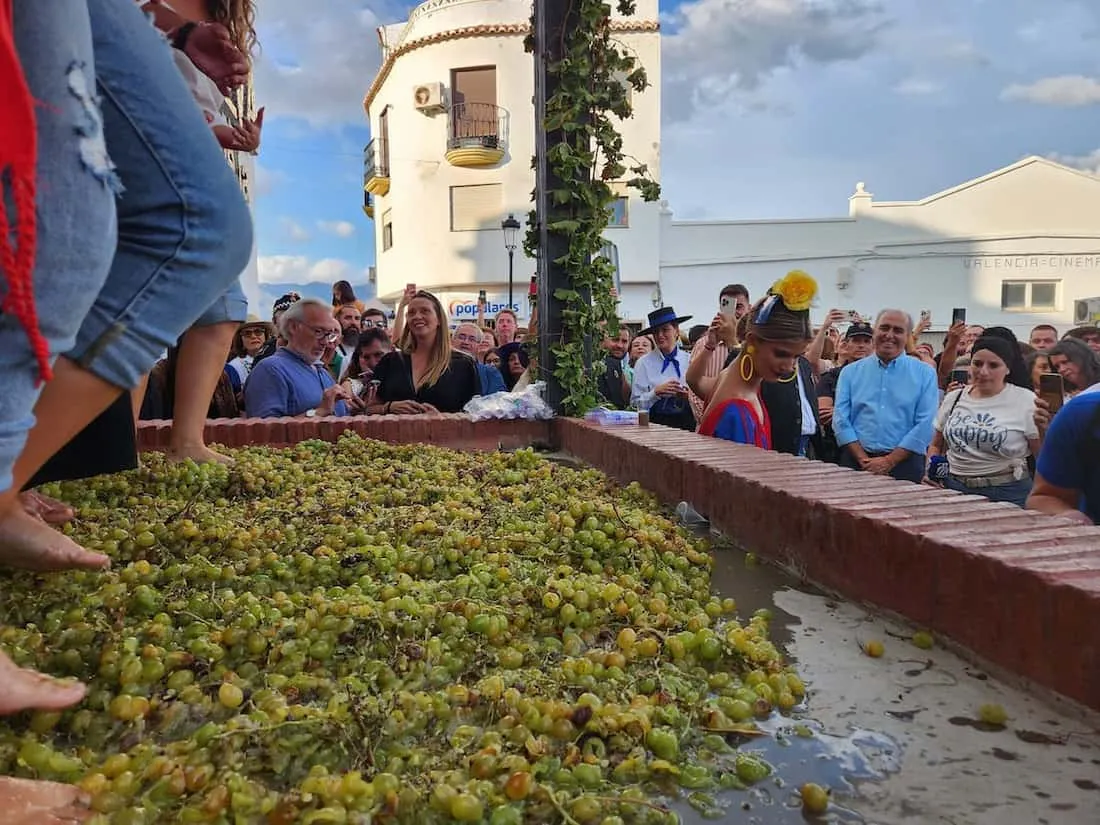
The original white village, wrapped around its church and plaza. Come here for winding cobbled streets, proper local bars, and those postcard views across vineyards to the sea. This is where the Vendimia grape harvest festival kicks off every September – think wine, music, and barefoot grape-treading that’s been happening since Roman times.
The vineyards surrounding the town still produce Moscatel wines from vines planted on ancient terraces. You can taste the local stuff at small bodegas around town.
2. Castillo de la Duquesa
The castle dates from 1767, but the real history here goes back way further. This was a major Roman fish-processing centre – you can walk over ancient Roman streets on the elevated walkway and see the remains of factories and villas. The castle museum displays finds from the area.
Below the castle, a handful of traditional fishing houses and seafood restaurants cluster around a small rocky beach. It’s quiet, local, and about as far from “resort” as you can get.
3. Puerto de la Duquesa
The marina village – yachts, waterfront restaurants, and a long promenade perfect for evening strolls. It’s smart without being snobby, with excellent seafood spots and a genuinely relaxed atmosphere. The beach here is sandy and well-maintained, with chiringuitos serving fresh fish grilled over charcoal.
4. Sabinillas
The working heart of the area. This is where you’ll find supermarkets, banks, health services, and the kind of tapas bars where menus aren’t translated and locals prop up the bar at lunchtime. The beach here stretches for miles – golden sand, gentle waves, and beach bars that know how to fry pescaíto properly.
Brief History of Manilva
Manilva’s story stretches back thousands of years. Archaeological discoveries in the Sierra Utrera caves north of town reveal Stone Age settlements, showing people have called this area home since prehistoric times.
The Romans recognised the area’s strategic coastal position and established a thriving fish-processing industry here. They built factories, villas, and bathhouses near what’s now Castillo de la Duquesa, producing garum – a fermented fish sauce that was highly prized throughout the Roman Empire. You can still walk among the excavated remains of these Roman structures today, with artifacts displayed in the castle museum and an elevated walkway offering views over the ancient streets and dwellings.
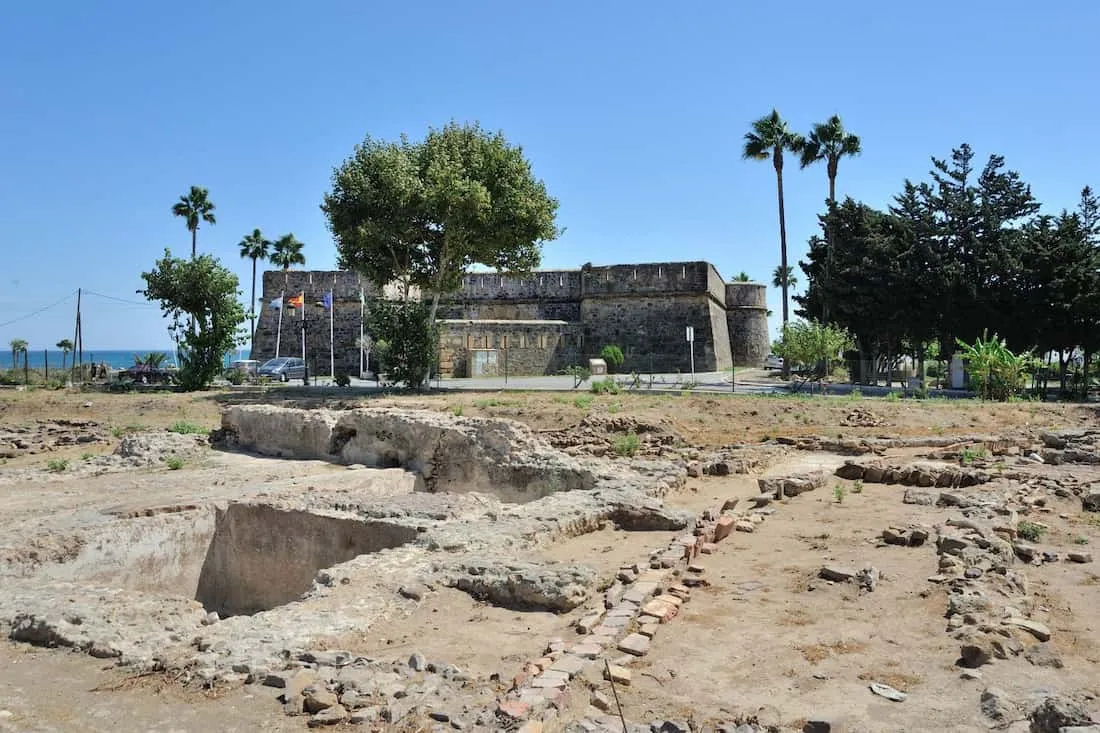
A Roman kiln was recently unearthed in the area, adding to our understanding of just how established this settlement was during that period.
Manilva town itself was founded in the 16th century. For over 200 years it remained part of neighbouring Casares, finally gaining independence as its own municipality in 1795. The Castillo de la Duquesa, built in 1767, stands as a reminder of the coastal defences needed during this period.
Since independence, Manilva has evolved from a small agricultural and fishing community into today’s diverse international town, while its coastal location near the AP7 motorway has made it increasingly accessible. The area has attracted residents from Britain, Ireland, Germany, Scandinavia and beyond – some retired, others working in nearby Gibraltar or running local businesses – creating the multicultural community you’ll find today.
What Makes Manilva Special?
The beaches – 8km of coastline mixing sandy stretches with rocky coves, never overcrowded, often genuinely local.
The wine – Those Moscatel vines aren’t just pretty scenery. This is serious wine country.
The festivals – From the solemn (Easter processions) to the spectacular (San Juan bonfires, Virgen del Carmen boat processions) to the downright fun (Vendimia). Check the events calendar because there’s always something happening.
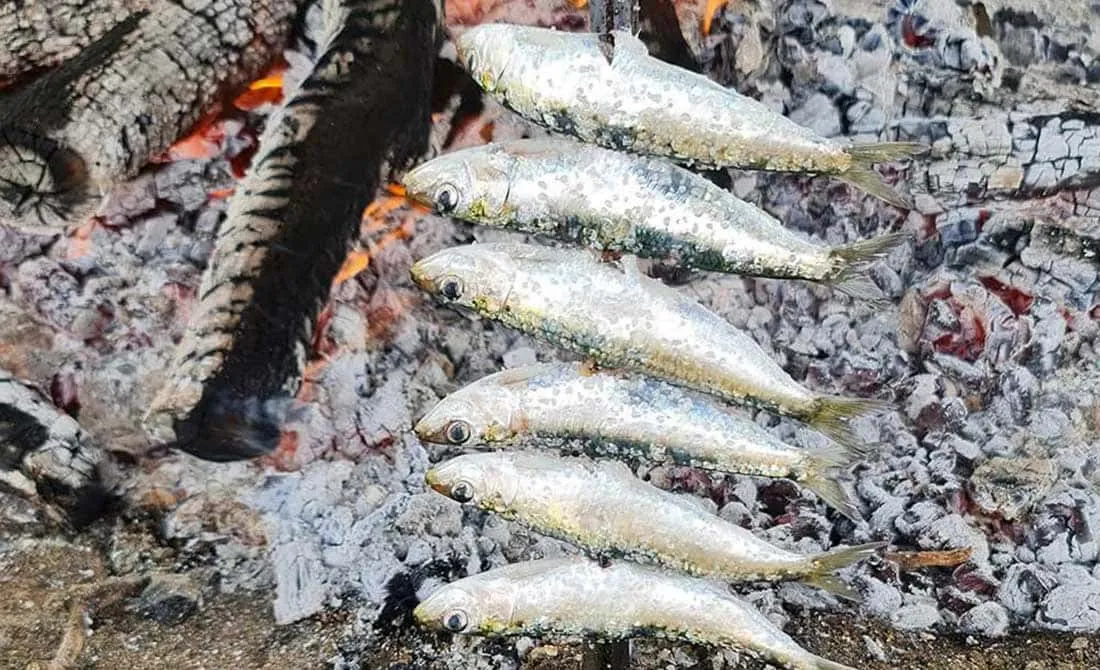
The food scene – From traditional Spanish cooking and fresh-off-the-boat seafood to international flavours reflecting the multicultural community, Manilva’s dining scene has real depth. You’ll find everything from beach bars grilling sardines over charcoal to restaurants in the Michelin guide. The area’s ancient vineyards still produce award-winning Moscatel wines – visit local bodegas for tastings with views across to Africa. Explore restaurants, pubs, cafés, or dive deeper into the full wine and gastronomy scene.
Outdoor life – Golf courses nearby, hiking trails into the mountains, cycling along the coast, water sports, horse riding… if you sit still here, you’re doing it wrong. See what’s available in Sports & Activities.
Who Lives Here?
A proper international mix these days – Spanish locals alongside British, Irish, Scandinavian, German, and Dutch residents who’ve made Manilva home. Some run businesses, others work in Gibraltar, many are retired. It’s a functional community, not a retirement resort, which keeps things real.
Worth Knowing
Language: Spanish dominates in Manilva pueblo, English is widely spoken in coastal areas, and most places muddle through both.
Climate: Sunshine 320 days a year, mild winters, hot (but breezy) summers.
Vibe: Relaxed, unpretentious, genuinely welcoming. This isn’t the bling Costa del Sol. Want to explore beyond Manilva? Check out our guides to Malaga, Gibraltar, Ronda, Marbella, and Sotogrande.
Properties for sale in Manilva
Local Businesses in Manilva
Browse every local business in Manilva: restaurants, bars, shops and services with contact details and maps.